


It is not an exaggeration to say that 2025 was a very challenging year for Michigan’s disability community.
The year began with a federal funding freeze, with much-needed money being withheld from nonprofit organizations of all kinds without any warning or explanation. This left many of us in the disability advocacy space scrambling for funding and sick with worry over what would happen to the people and families who depend on services provided by agencies like Michigan’s Centers for Independent Living (CILs) to live independently with dignity and agency.
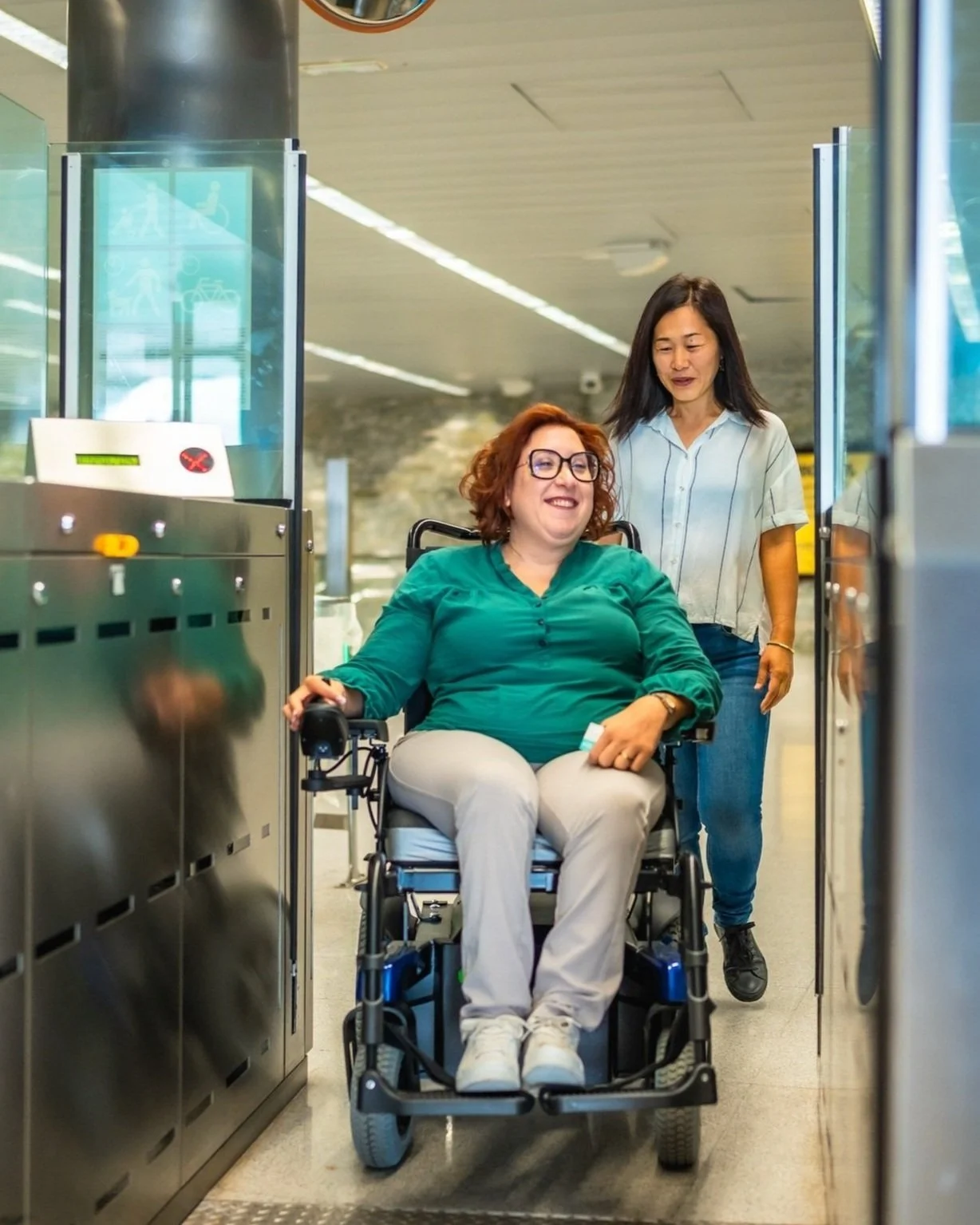
Michigan’s CILs provide services and resources for people with disabilities of all ages and all types of disabilities in all 83 of Michigan's counties. They help people with disabilities achieve greater independence so that they can live their lives on their own terms. CILs also help to create inclusive and accessible communities so that people with disabilities can be active participants in society. This means removing barriers to transportation, helping people with disabilities find accessible and affordable housing, helping people with disabilities find employment, and more.
Living with a disability is not easy. This is in large part because much of the world was not built with disability in mind. CILs help people with disabilities, their caretakers, and their families navigate the various challenges they will inevitably face at some point. CILs are a valuable resource and a lifeline for many.
Yet, at the end of this summer, state funding for the CILs was cut by a staggering 45%.
The need for the services and resources that CILs provide, of course, has not changed. But their ability to provide those services has been severely restricted.
Due to the $1 million cut in their state appropriation, CILs were faced with the difficult decisions to decrease programming, reduce services, lay off staff, and close local offices. This leaves some of Michigan’s most vulnerable residents without vital resources to live independently and participate in their communities.
It is difficult to comprehend how someone could look at Michigan’s entire disability community as just a budget line item to contend with. Every Michigan’s lawmaker has people with disabilities living in their districts and many of those lawmakers likely know someone with a disability. Cutting funding for the CILs is a difficult decision to understand.
At MISILC, disability is never far from our minds because it plays such a major role in our lives. The people of MISILC are disability advocates, people with disabilities, and caregivers.
And then we are reminded that there are people who do not think of disability at all. This is a problem, especially when those people are making decisions about funding for programs and services for people with disabilities and their families.
One doesn’t have to look very hard for reminders about disability, however. They are everywhere.
Take your daily commute, for example. Drive down any freeway in the Detroit area, and you will notice billboards for personal injury lawyers. These billboards ask passersby if they’ve been injured in a slip and fall, a truck collision, or an on-the-job accident. A number of these lawyers' names and faces are so ubiquitous that they have become local celebrities.
These billboards are a reminder, every few miles, that accidents happen. And that those accidents can profoundly change a person’s life, temporarily or forever.
And yet for far too many people, the idea that their lives could change in an instant—that their range of mobility could diminish, their eyesight could be damaged, their ability to take care of themselves could be lost—is an abstraction. In fact, it could happen at any time. That’s why making the world a more accessible place for people with disabilities actually makes it more accessible for everyone.
When organizations like the CILs are prevented from serving their communities, it doesn’t just hurt people with disabilities. It hurts all of us.
There is, quite frankly, enough hurt in this world. Too much, in fact. CILs help people with disabilities take care of themselves and each other. And care is something worth investing in.