
“I am an autistic disabled person, I’m trying to go to the doctor.”
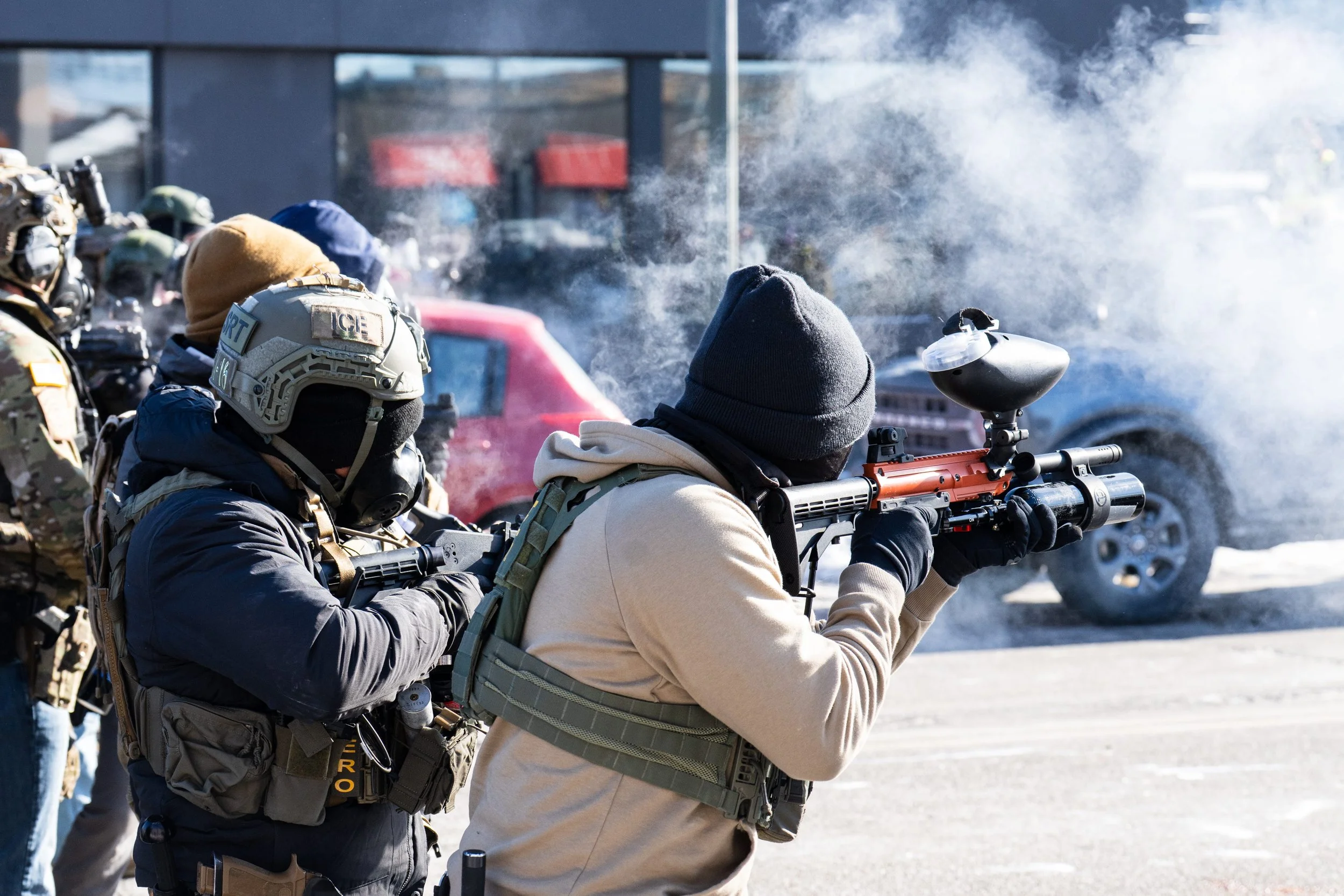
Those were the words shouted by US citizen Aliya Rahman, who according to reports, has a traumatic brain injury and autism, as she was recently pulled out of her car by federal agents who broke her window, slashed through her seatbelt, and tackled her to the ground.
Many people were shocked by the incident. But people in the disability community have an unfortunate familiarity with such scenes.
Law enforcement and people with disabilities have a very fraught history. According to Nonprofit Quarterly, “It has been estimated that half of the people killed by law enforcement officers are disabled.”
There are many reasons for this. Many law enforcement officers lack training when it comes to responding to people with disabilities and mental health emergencies. And yet police officers are often the ones called to scenes where someone is experiencing a mental health crisis. Such situations can quickly escalate, leading to officers feeling unsafe and responding with deadly force.
In addition, when people whose disabilities involve mobility, hearing, or speech, or people with developmental disabilities, interact with law enforcement, the chance for misunderstanding is high.
“Anyone who immediately doesn’t comply, the police move on to force,” lawyer and activist Haben Girma, who is deaf and blind, told Time. “Someone might be yelling for me to do something, and I don’t hear. And then they assume that I’m a threat.”
Reports of people with disabilities being mistreated by law enforcement are not new, but encounters are getting more attention in recent months. In August of 2025, a letter prompted by “a series of recent incidents in which individuals with disabilities were reportedly denied access to interpreters, medical care, or basic communication tools while in custody” and signed by over 30 members of Congress demanded answers about “troubling reports of systemic neglect, inadequate accommodations, and apparent violations of federal disability rights laws.”
It is challenging enough for people with disabilities to receive access to the supports and accommodations they need in their day-to-day lives, despite laws like the Americans with Disabilities Act. It is not uncommon for people with disabilities to still encounter buildings that have no wheelchair access, to have to attend doctors’ appointments without a sign language interpreter, to be denied entry with their service animals, and more. It is not a surprise that the experience of people with disabilities would not fare well in a high-stress environment like a detention center.
That said, agents are supposed to adhere to the law. “(Law enforcement) is legally required to provide reasonable accommodations under Section 504 of the Rehabilitation Act,” Disability Solutions points out. People with disabilities “have the right to request interpreters, mobility support, or medical care. These requests should be documented in writing, if possible, and submitted by a lawyer or advocate.”
© Chad Davis, Some Rights Reserved
If there’s one thing the disability community knows, it’s that there isn’t a one-size-fits-all accommodation. There are many different kinds of disabilities, and what might address the needs of one person might not address the needs of another. For example, a ramp into a court building will help someone using a wheelchair, but that ramp does not help someone who is deaf to understand trial proceedings.
But what each request for an accommodation has in common is that it is also a request to be treated as a human being worthy of dignity and respect by not only law enforcement, but also by society at large.
When it comes down to it, that is what every person deserves. Even people who have broken the law or are suspected of having done so.
Disability Solutions offers a list of seven things people with disabilities can do in the case of an encounter with law enforcement. The list includes knowing your rights, keeping in mind that everyone, regardless of immigration status, has basic rights under the Constitution. They also warn against isolation and encourage building a support network and creating a safety plan.
“No one should have to choose between safety and survival,” advises Disability Solutions. “For people with disabilities, it’s especially important to plan ahead, document your needs, and build a network of support.”
These are challenging times for everyone. If you are a person with a disability, especially in an area with a heavy law enforcement presence, please do what you can to keep yourself safe. If you are not a person with a disability, this is a crucial time to be checking in with friends, family, neighbors, and community members who have disabilities and making sure they are okay and have what they need.
There is nothing more important than taking care of one another, and community caretaking is more important than ever.