


It’s Black History Month, a time to celebrate the contributions Black people have made in culture, science, business, public policy, community leadership, and so much more. There is no disputing that Black history is rich with historical figures who have made a lasting impact on the United States.
But, of course, Black history isn’t just a celebration of notable figures. It’s also a time to examine how the past carries over to the present and the ways that modern American life continues to be negatively impacted by systemic racism. Which brings us to the topic of caregivers. Who they are, what they do, how they are treated, and why they are treated that way should be a matter of grave concern for all of us.
The definition of caregiving is quite broad. According to The Senior Alliance, “If you regularly provide any form of assistance to someone, such as helping with personal care, managing medical tasks, preparing meals, assisting with mobility, or offering emotional support and companionship, then you are a caregiver.”
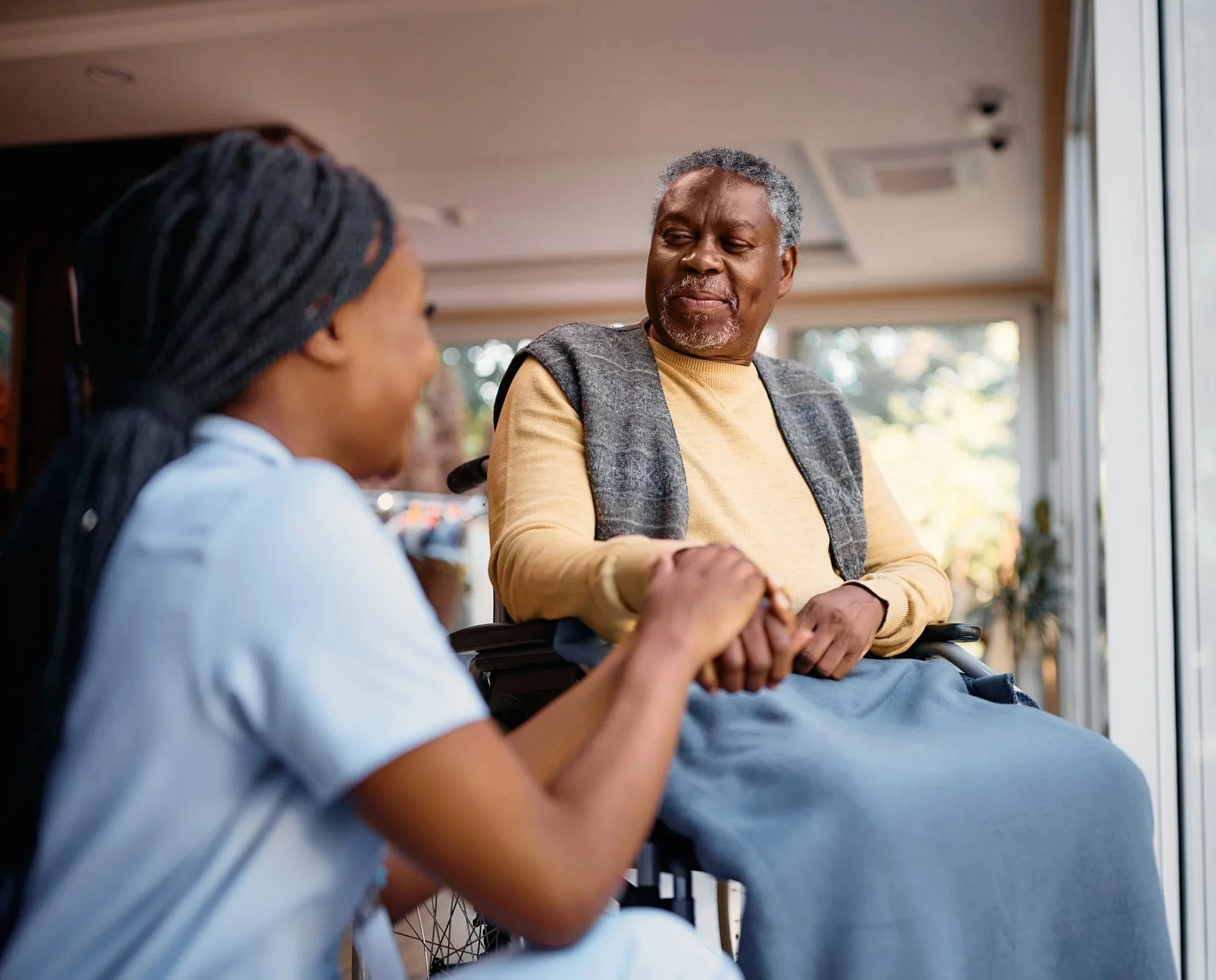
Simply put, anyone can be a caregiver. In fact, everyone reading this is likely a caregiver now, has been a caregiver in the past, or will be a caregiver in the future.
The majority of caregiving work falls to women, especially Black women. This includes paid caregiver careers, such as home health aides and nursing home employees, and unpaid caregivers, such as relatives who take care of a loved one in their home.
Although caretaking is absolutely essential, the combination of systemic racism and sexism has stigmatized this work.
“Care work historically was framed as a woman’s obligation and not ‘real work’ or having ‘real value,’” reports the National Partnership for Women and Families. “The added combination of racism often has meant that Black women, and other women of color, have been on the harshest receiving end of these biased attitudes about care work.”
One of the most glaring outcomes of these attitudes is low wages for professional caretakers, many of whom are Black women.
As Penn Asian Senior Services (PASSi) points out, there is not a simple economic explanation for why caregivers are paid so little.
“We have far fewer home health aides than we need, so their pay should rise until enough people take the jobs,” PASSi reports. “Furthermore, the work is often complex, and physically and emotionally difficult. Normally this would increase wages.”
And yet.
Black women who are doing unpaid caregiving, often for family members, also work under heavy personal and financial strain.
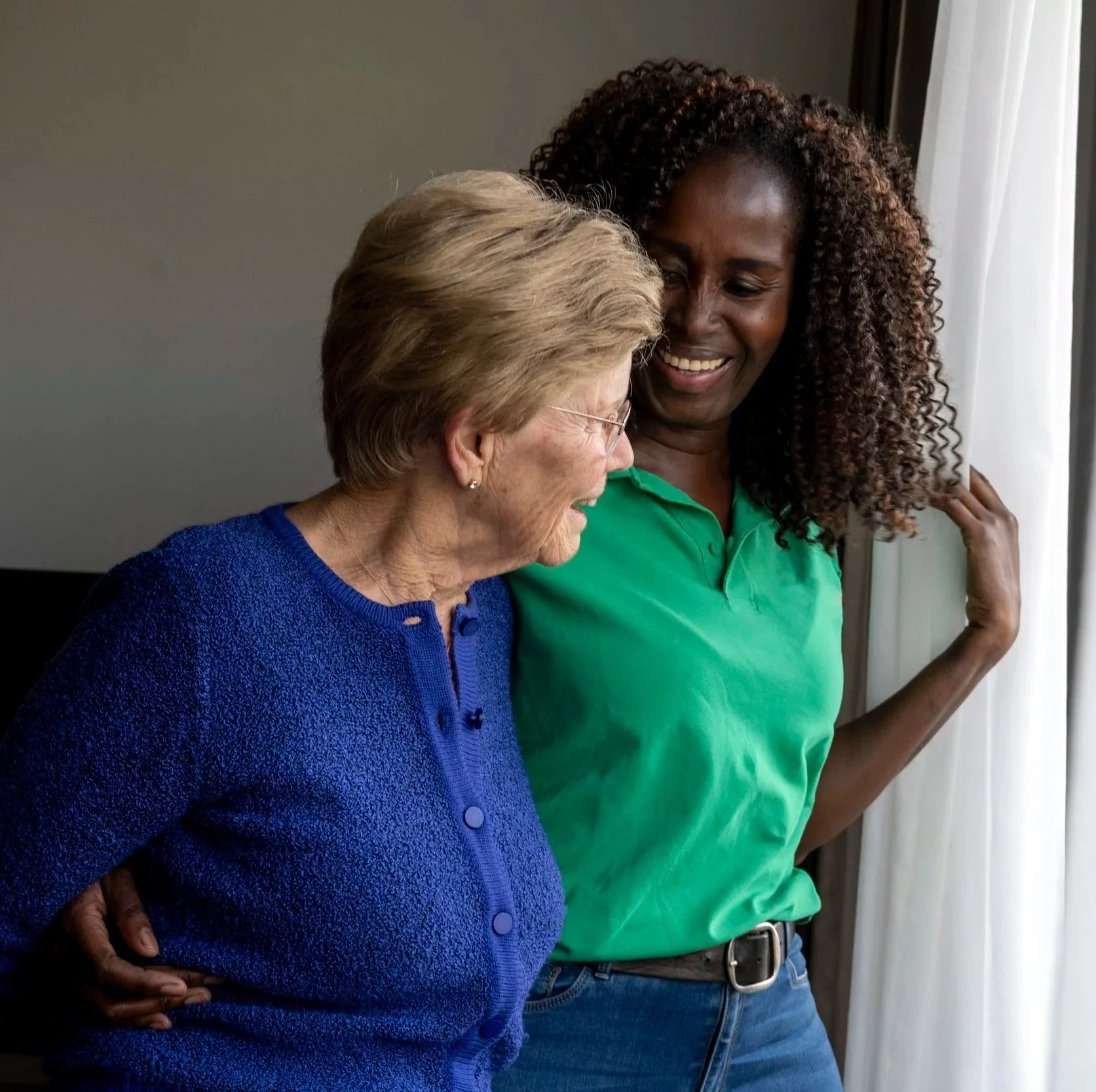
“On average, Black caregivers spent about 28.5 more hours per month caregiving than white caregivers,” reports Blavity. “This, above all else, is indicative of Black women having less resources to allocate help. They’re doing more themselves…while still keeping their own lives in motion.”
In other words, Black women are less likely to be able to afford help. They also tend to take on caregiving in addition to their other responsibilities, often to their personal detriment.
“Ultimately, a lack of investment in care policies has contributed to an economic system that disadvantages Black women in terms of the wages they are paid and the care supports they have available, with severe consequences for their economic security and opportunity, their health and well-being, and their ability to care for themselves and their loved ones,” reports the National Partnership.
The fact is, devaluing caretaking work, whether it’s unpaid family caregiving or by a paid professional, not only harms Black women, it harms all of us. Everyone needs caregiving. And caregiving is hard work. It is often time consuming, physically demanding, and emotionally draining. Relegating this crucial work indefinitely to unpaid family members or to people who are not being paid a living wage is not sustainable.
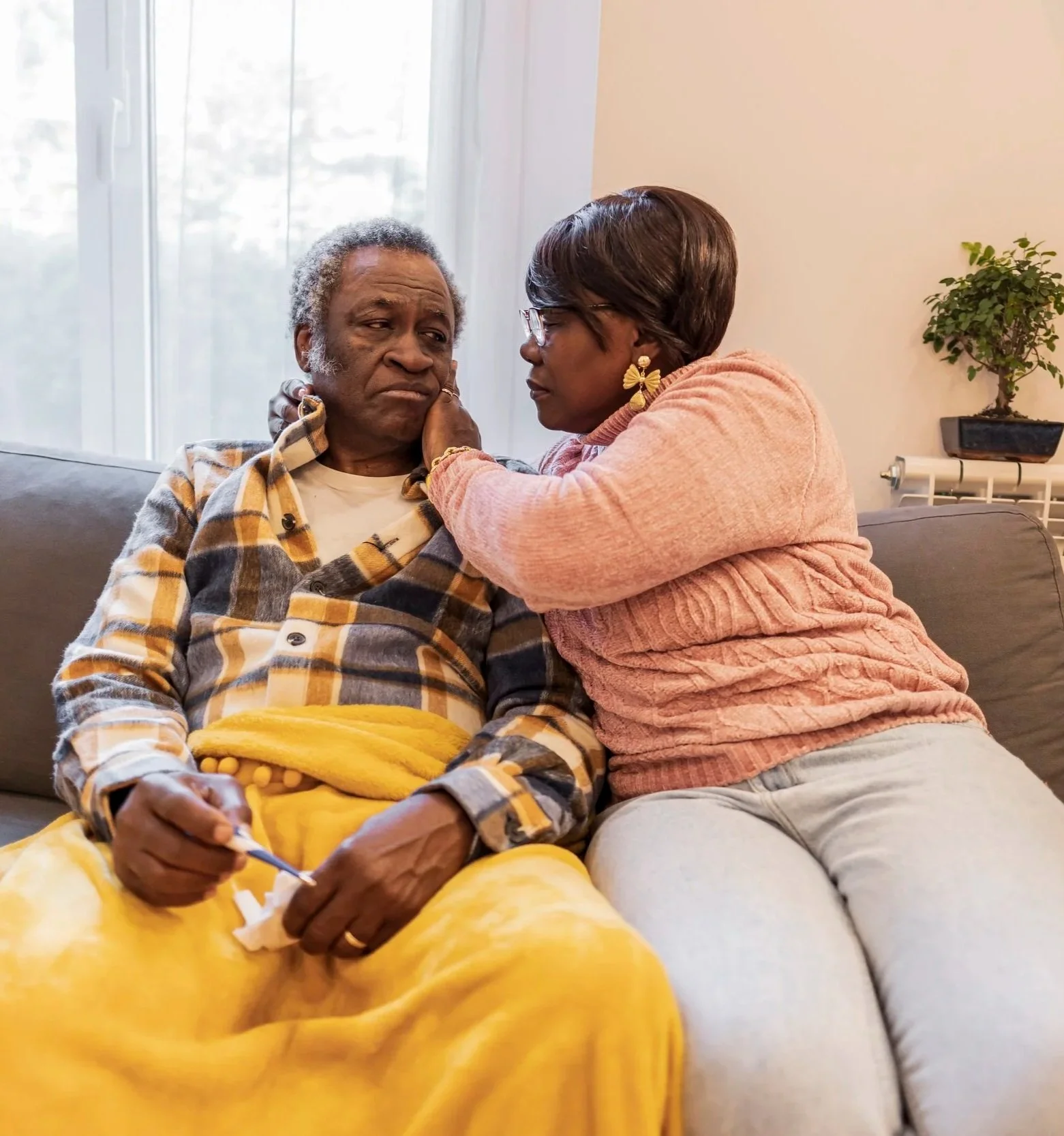
When we have a loved one who needs caretaking, we want the best for them. We should also want the best for those doing the work. We should want a home health aide to be able to afford to take a day off and visit a doctor if she’s sick. We should want the mother taking care of her aging father on top of parenting her kids and working full time outside of the home to have access to respite care and paid time off.
When we devalue the work of caregiving we are not only devaluing the people who do it, we are also devaluing the people who need it. The people with the most extensive caregiving needs are often people who are the most vulnerable: children, people with disabilities, and people who are aging.
We expect caretakers to be humane and caring, yet public policy does not demonstrate that we care about their humanity. When it comes to caretaking, Black women continue to take on so much of the burden with so little reward and so little support. They deserve so much better. We all do.