


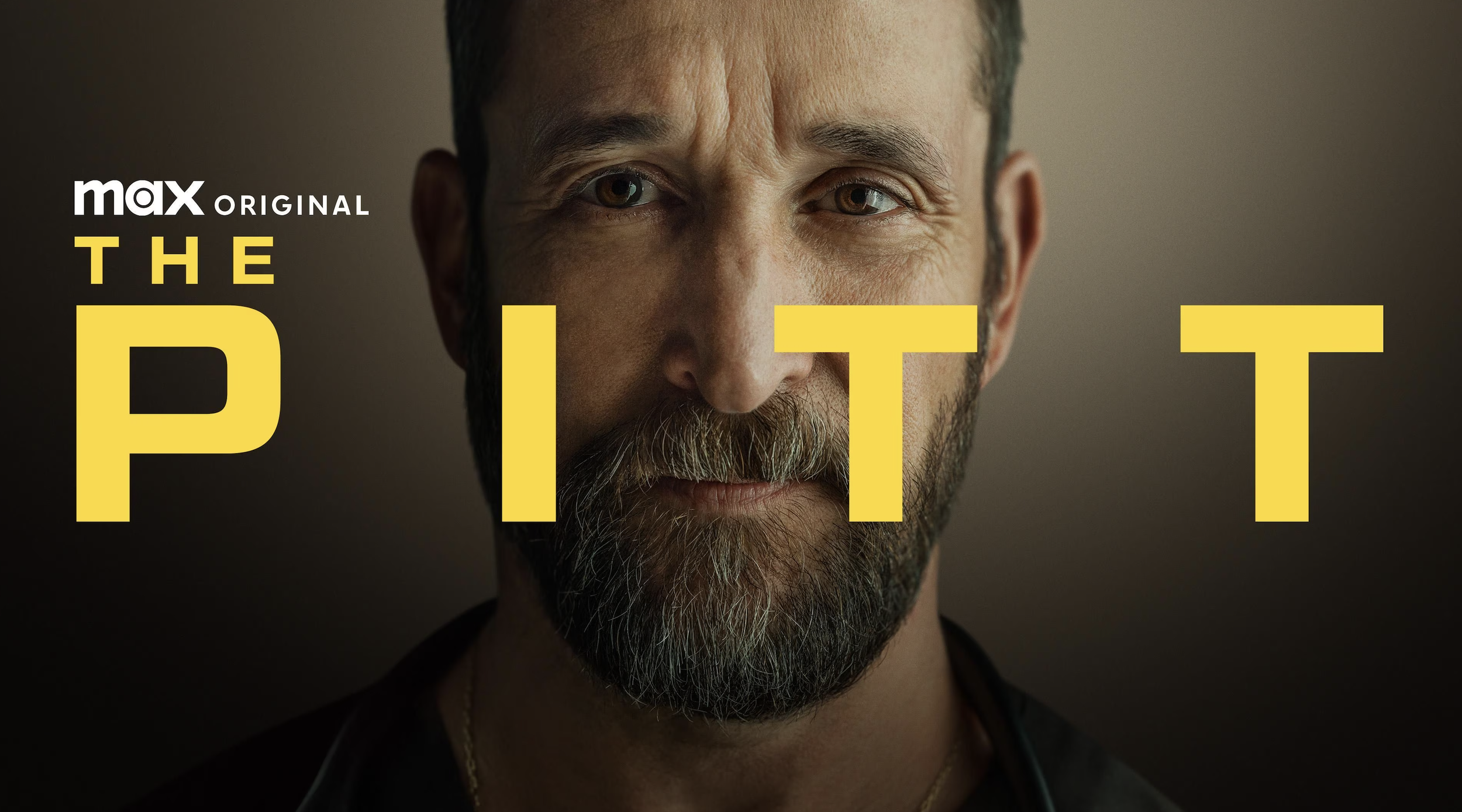
In an episode of the hit HBO Max drama The Pitt, a woman brings her elderly mother, Ginger, to the emergency room after a fall. The woman, Rita, is her mother’s sole caregiver.
Ginger is seen by Dr. Melissa King who understands better than most what Rita is going through. Dr. King’s sister Becca has autism and King has been Becca’s caregiver since the death of their parents.
When Rita is told that her mother’s arm is going to be in a sling, making her mother less able to assist in her own care, she seems to break under the pressure. Rita goes out to get something from her car. And she doesn’t come back.
Did Rita abandon her mother, the pressure of being her sole caregiver finally becoming too much to bear? It wouldn’t be the first time, another doctor tells King.
In the end, Rita comes back. Intending to just take a short break in the car, she accidentally fell asleep. But the storyline is a very realistic portrayal of the stress many caregivers are under. The U.S. simply does not provide the support caregivers so desperately need to take care of their loved ones.
Caregiving is an act of love, but love doesn’t pay the bills. Many people taking care of a family member with a disability or someone who is sick, injured, or aging are also juggling work, school, a household, and other responsibilities. Even when people are employed as caregivers, the pay is often very low, making these jobs less desirable.
The fact is, caregivers rarely have enough support. The caregiving infrastructure in this country—which is made up largely of women who provide free labor for family members and underpaid women who are mostly Black—is unsustainable. Paid family leave in the U.S. doesn’t exist for most people, and health insurance rarely covers hiring someone to help with caregiving, let alone paying a family member for their work.
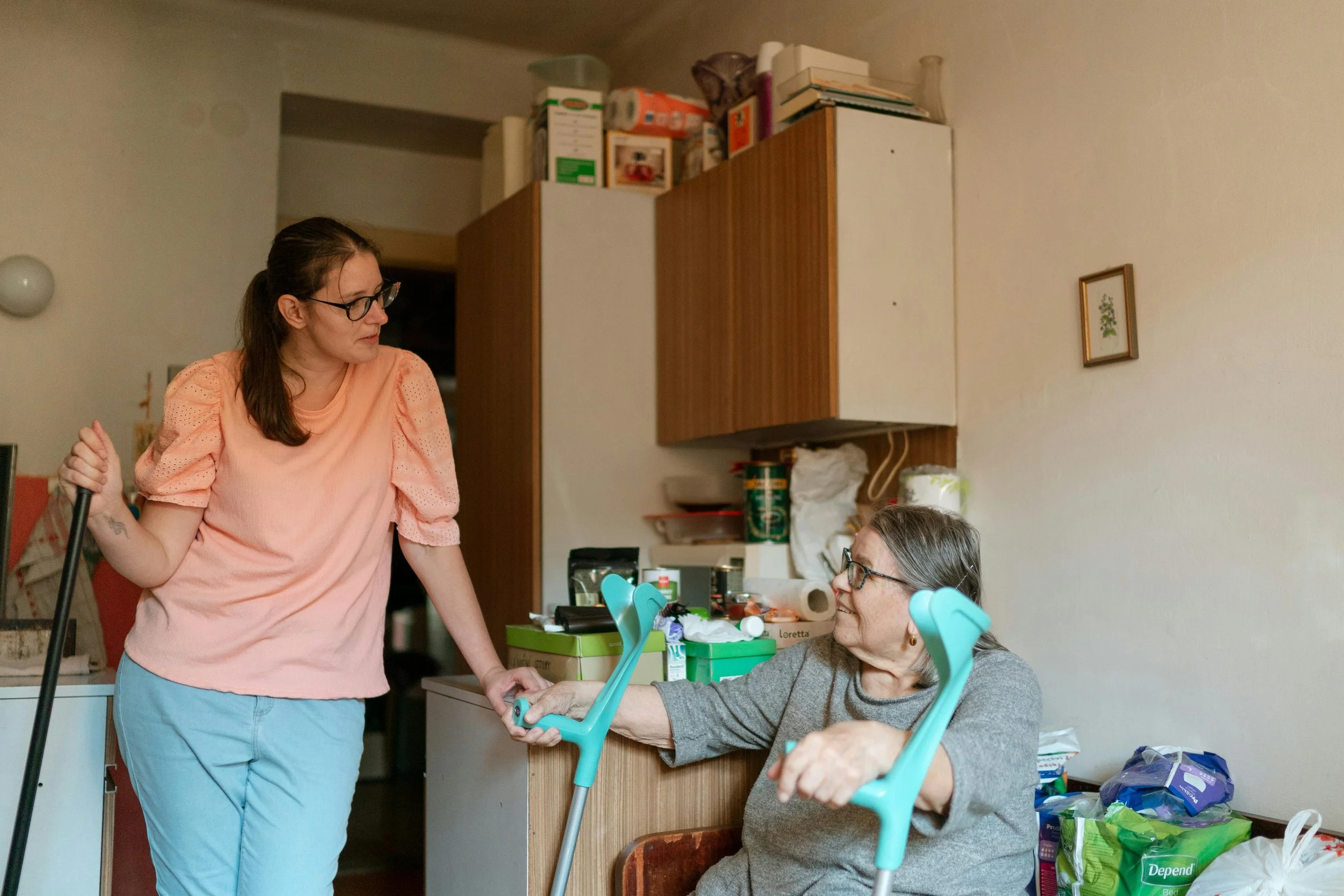
Caregiving is such an important job, such an intimate role to play in someone's life. Caretaking can be a source of much joy and love. But it's also very hard physically and emotionally. And most of it is invisible. It takes place in the privacy of the home.
Chances are good you know a person who is juggling full-time care for someone, living at the brink of what they're capable of. Someone who is so very tired. That person may even be you.
But no one is talking about it. Yes, The Pitt helped to start a conversation. But individual caregivers work largely in silence, their labor unseen and unappreciated by the larger community. This isolates caregivers and makes their lives harder.
Sharing stories helps to break through that isolation and helps people find community. Finding each other and coming together is essential if we ever want to see policy changes that address the instability of this country’s caregiving infrastructure.
We all need caregiving. People have disabilities. We get old. We get sick or injured.
Have you been a caregiver or received caregiving yourself? Sharing your story can not only be cathartic, it can also help others feel less alone and build momentum toward change. If you have a caregiving story you're willing to share with us, please do so HERE! These stories will be used to help raise awareness and to advance change.