
Share Your Caregiving Story!
MISILC wants to hear from caregivers and people who are being cared for. We’re sharing these stories to help shape a future where caregivers are supported, appreciated, and recognized.

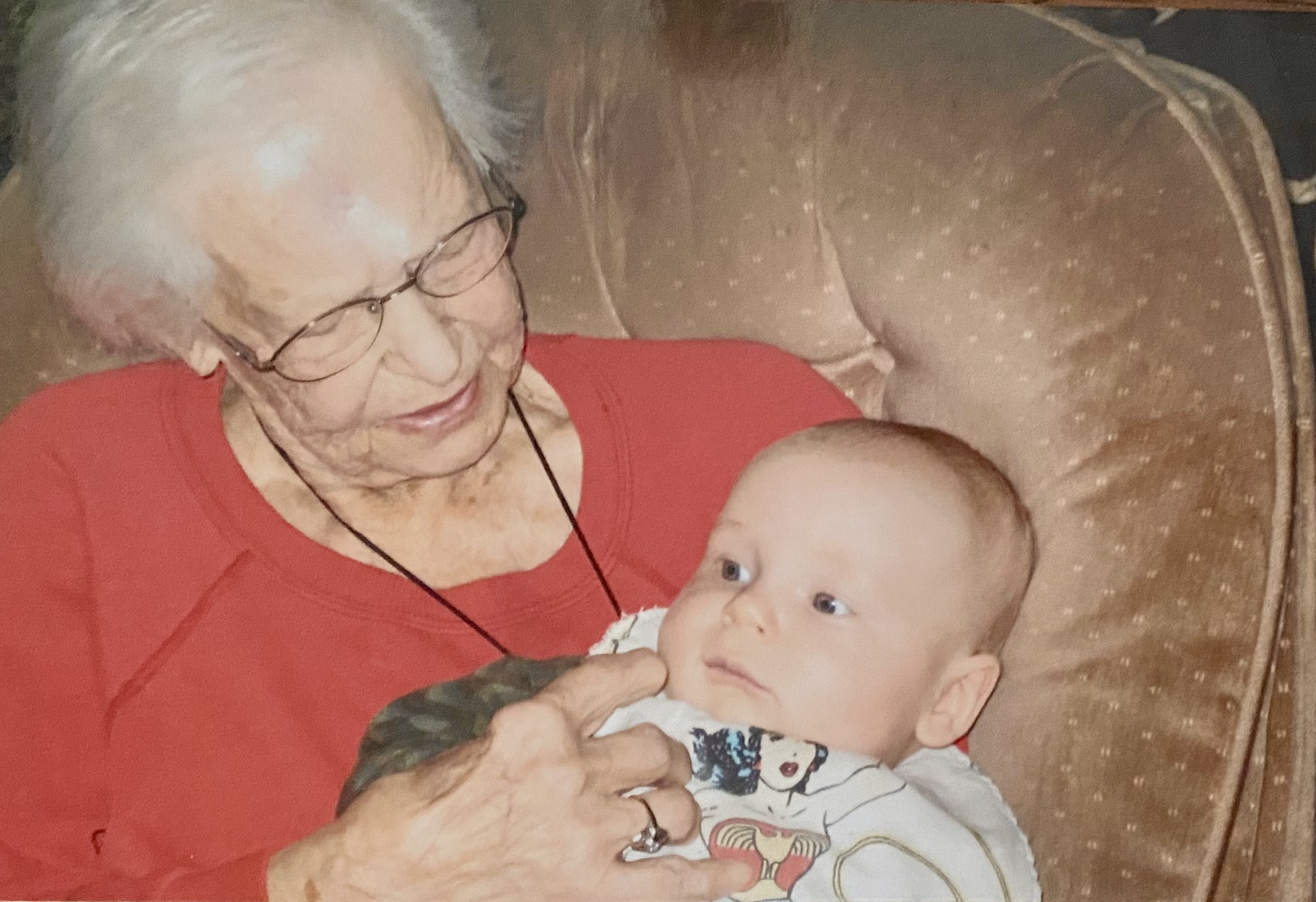







Caregivers: Tell Your Stories
MISILC wants to bring caregivers to the forefront. We want to share their stories and celebrate them in order to shine a light on people who too often work behind the scenes and don’t receive the recognition they deserve.
MISILC certainly appreciates caregivers, but appreciation isn’t enough. Caregivers need actual support, which includes public policy that addresses an unsustainable caregiving infrastructure that depends on unpaid and underpaid labor. We must do better.
We want to hear from you!
*MISILC will review all submissions and stories may be edited for length and clarity. Submission of a story does not guarantee participation in campaign materials.

About Caregiving
In the disability community, the term “caregiver” often means someone who helps to care for a person with a disability. What that help actually entails depends on the needs of the person being cared for. It could be helping someone bathe, preparing meals, driving to medical appointments, or just being a calming, consistent presence.
For many people with disabilities, caregiving is more than an act of kindness here or there; caregiving is essential to living a fuller, more independent life.
Caregiving can also be very difficult work. This is especially true for people who are caring for a family member in addition to all of their other responsibilities. Caregiver burnout is real. Unfortunately, many caregivers do not receive the support they need to both care for others and care for themselves. This is also true for paid caregivers who often make wages that do not reflect the importance of their work.
About MISILC & Centers for Independent Living
The Michigan Statewide Independent Living Council works in partnership with Michigan Rehabilitation Services (MRS), Bureau of Services to Blind Persons (BSBP), Disability Network/Michigan, Michigan's statewide network of Centers for Independent Living (CILs) and other partner organizations to prepare the State Plan for Independent Living. Together we are responsible for developing a statewide plan that outlines the goals and objectives to improve the lives of people with disabilities in Michigan.