Disability is hilarious. At least, it can be. Humor can be a great form of self-expression, personal understanding, not to mention a way to cope. Being a good comedian—one who can command attention, craft a bit, and coax genuine laughter out of an audience—takes a pretty big degree of confidence. The fact that there are so many talented comedians out there with disabilities of all kinds is a shining example of Disability Pride.
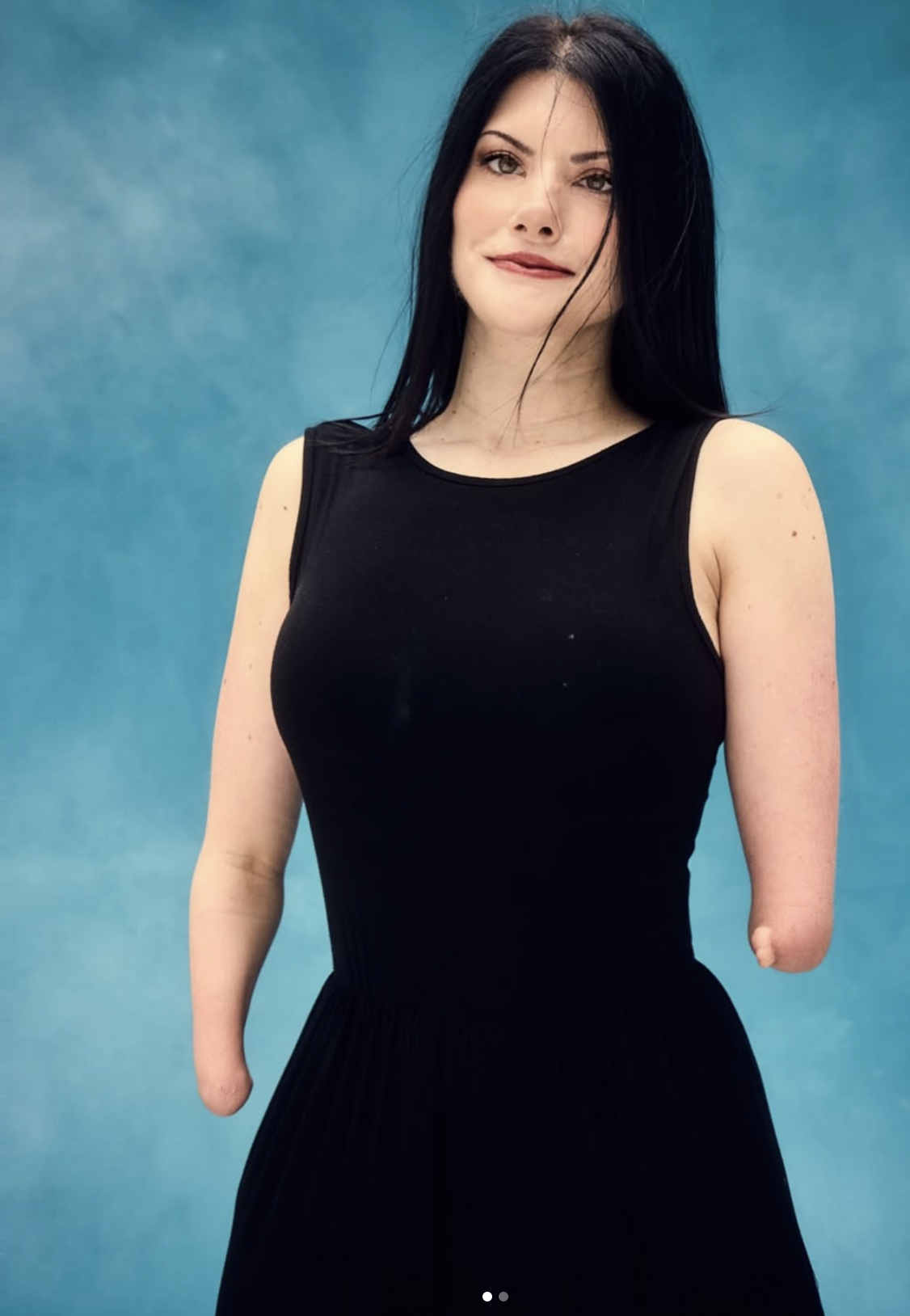
Consider the way comedian and TV writer Courtney Gilmour, a congenital triple amputee, addresses her disability in a clip posted by Don’t Tell Comedy on Instagram.
“I will get this out of the way: I don’t have hands,” she begins. “I’m very upfront and very open about…not having hands. Mostly just because I think that women should be honest when they’ve had work done.”
The audience erupts in laughter.
“I’m a very confident person,” she continues. “For any of you who feel nervous to laugh at the jokes, don’t worry. You want to have a frame of reference for how confident I am? My New Year’s resolution this year? Fewer limbs!”
More laughter.
Gilmour exudes confidence on stage, putting the audience at ease so that they can laugh at jokes about disability, a topic that is often presented as something sad or serious, if it is acknowledged at all.
It’s not the subject matter alone that Gilmour’s jokes work. Imagine if a comedian without a visible limb difference took the stage and told the same jokes from their own perspective: “I know a woman who doesn’t have any hands. She’s very open and upfront about that, which is good because it’s important for a woman to be honest about having work done.”
The joke doesn’t work. At best it falls flat, at worst it feels cruel. Gilmour is making fun of the audience's discomfort with her visible disability. The imaginary comic is making fun of a person who doesn’t have hands. The messenger is all wrong, which means the joke lacks the context and logic imbued by Gilmour, not to mention the visual aspect. There is a vast difference between when jokes about disability are told by others at our expense or when they are told by us.
This is to say, it really does matter who has control of the narrative. It matters who tells our stories. It really does matter whether or not our lives and experiences are portrayed in popular culture in positive ways.
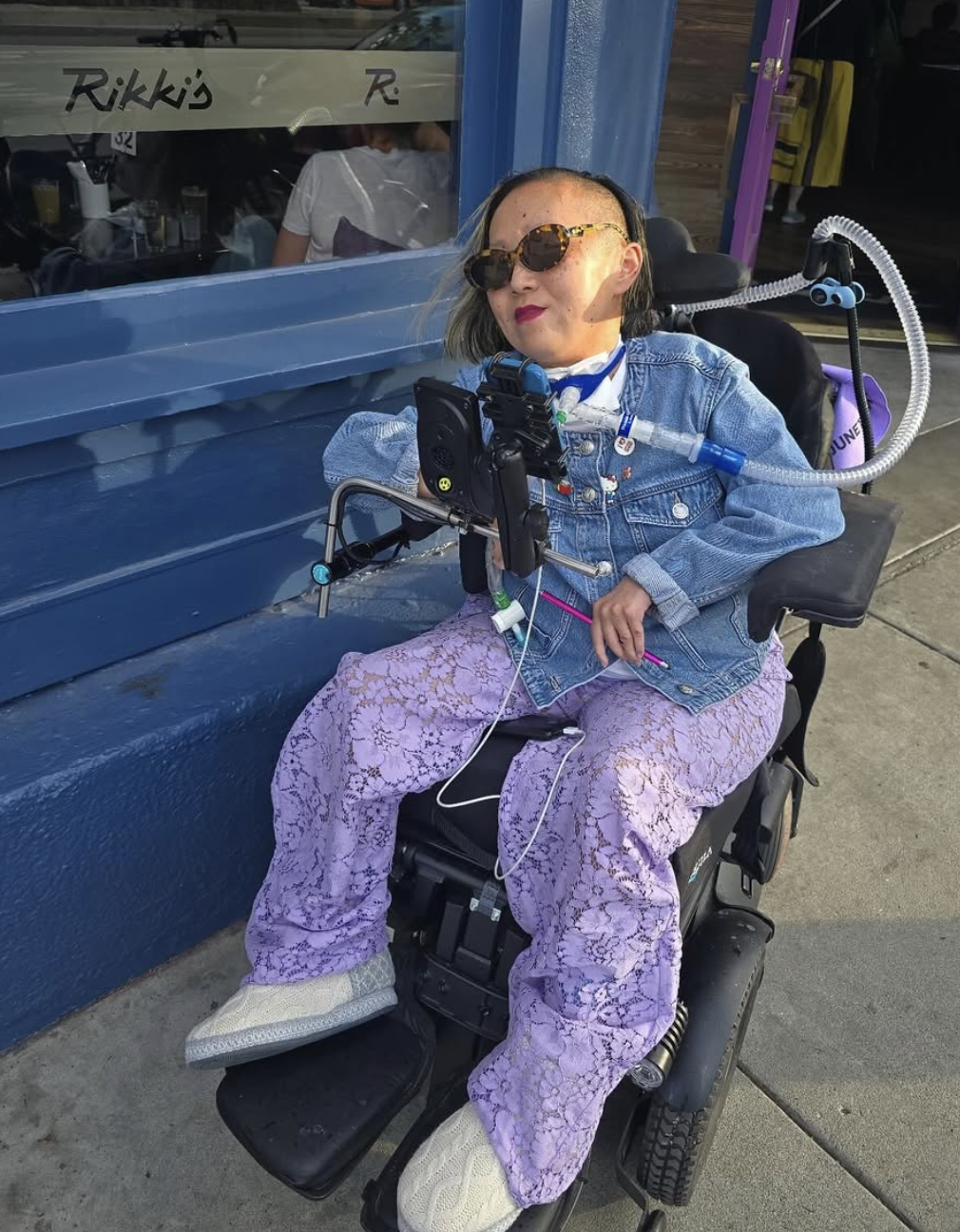
As Alice Wong said in a 2021 interview, “There is joy in being disabled. I think that goes against almost every major idea, or portrayal. If you actually talk to people who have these disabilities, it’s like, ‘I'm just living my life the best way I can. Just like everybody else.’ It's really the expectations people have of us that's really super, super toxic. And that's what needs to be dismantled.”
In other words, when we tell our own stories, including the stories of joy that the wider community doesn’t usually hear, we take back power, diminish stigma, and seek understanding. Not just between performer and audience, but between the disability community and the society we are fighting to change. And, really, that is in large part what Disability Pride Month is all about.
Each July, we aren’t just celebrating the passage of the Americans with Disabilities Act (ADA). We’re also celebrating the strength, ingenuity, and determination it takes to navigate a world that wasn’t built for us and to keep pushing for more inclusivity and accessibility for all. As Alice Wong said, “A law doesn't change the world. I think it's really about people power.”
The ADA resulted in huge leaps forward for people with disabilities. But the ADA only came about because people made it happen. It took many years of advocacy, of protest, of struggle, of pain—of people saying, “We can, and must, do better.”
And we’re still saying that today. The ADA was a huge step forward, but there are still miles and miles of road ahead. ADA Pride isn’t about settling for how things are. It’s about envisioning and fighting for how things could, and should, be.
We can all learn a lot—about humor, about confidence, about owning our own stories—from someone like Courtney Gilmour who stands up and says, “This is who I am. Deal with it.”
And let’s face it. Making our way through the world—or even just a day—with a disability can at times be utterly absurd. Sometimes that absurdity makes us laugh, sometimes it makes us cry. But once the laughter or the tears subside, we keep fighting. Proudly.