

In January 2027, newly elected leaders will be sworn in, marking a big shift in governmental representation in Michigan and Washington D.C.
Of course, disability knows no political party. The programs and services a person needs to live independently don’t change based on whether they are a Republican, Democrat, Independent, or someone who stays out of politics altogether.
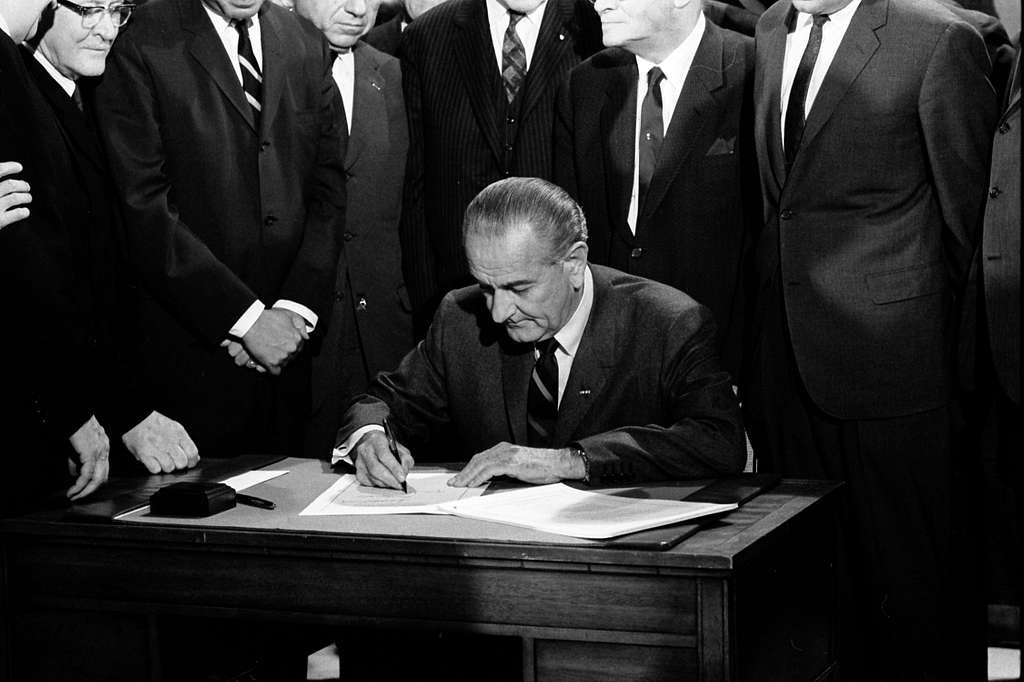
Over the years, major disability rights legislation has been signed into law by Democratic and Republican presidents. In 1968, President Lyndon B. Johnson signed the Civil Rights Act, which included protection from discrimination in housing for people with disabilities. In 1990, George H.W. Bush signed the Americans with Disabilities Act.
Ultimately, what matters is not political party. What matters is policy. We need leaders who support policies that protect people with disabilities from discrimination and ensure that they have the supports and resources they need to live with as much independence as possible.
As it stands right now, protections and rights have been weakened. From work requirements for Medicaid to splitting up the Department of Education’s special education and civil rights oversight to the gutting of the Administration for Community Living, people with disabilities and disability advocates have reason to be alarmed.
The fact is, too many of us have worked too hard for too long to let go unchallenged anything that has the potential to undo the progress we have made.
But this has always been the case. It doesn’t matter who is in office. It is up to us to make sure our elected representatives understand our needs and that those needs become policy priorities.
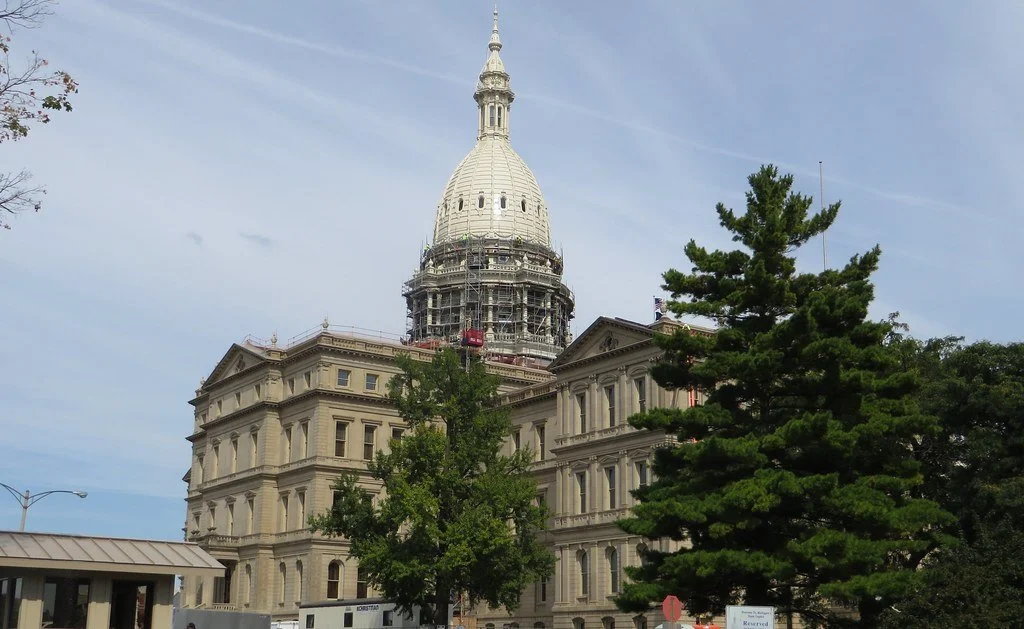
In addition to fully restoring the Administration for Community Living, making sure that special education and civil rights protections are receiving appropriate oversight, and removing barriers to Medicaid, here are other priorities we’d like the 120th Congress and the Michigan legislature to take up once they take office on January 3, 2027.
Housing - There is an affordable housing crisis in the United States. This crisis hits people with disabilities especially hard because affordability is only part of the equation. A house needs to be both affordable and accessible, a combination that makes finding a place to live even more difficult.
When there isn’t enough accessible and affordable housing, people with disabilities are sometimes forced into institutions or group homes, even when they have the right to live in the community. Urgent action needs to be taken to address this crisis in a meaningful way and every conversation about affordable housing needs to include people with disabilities.
Transportation - For people with disabilities, transportation isn’t just a convenience, it’s a necessity without which they cannot live independently or fully participate in their communities. Without accessible transportation, people with disabilities have find it difficult to find and keep employment, experience extreme isolation, and miss or delay critical healthcare appointments. This is an especially big problem in rural areas and places that lack public transportation systems.
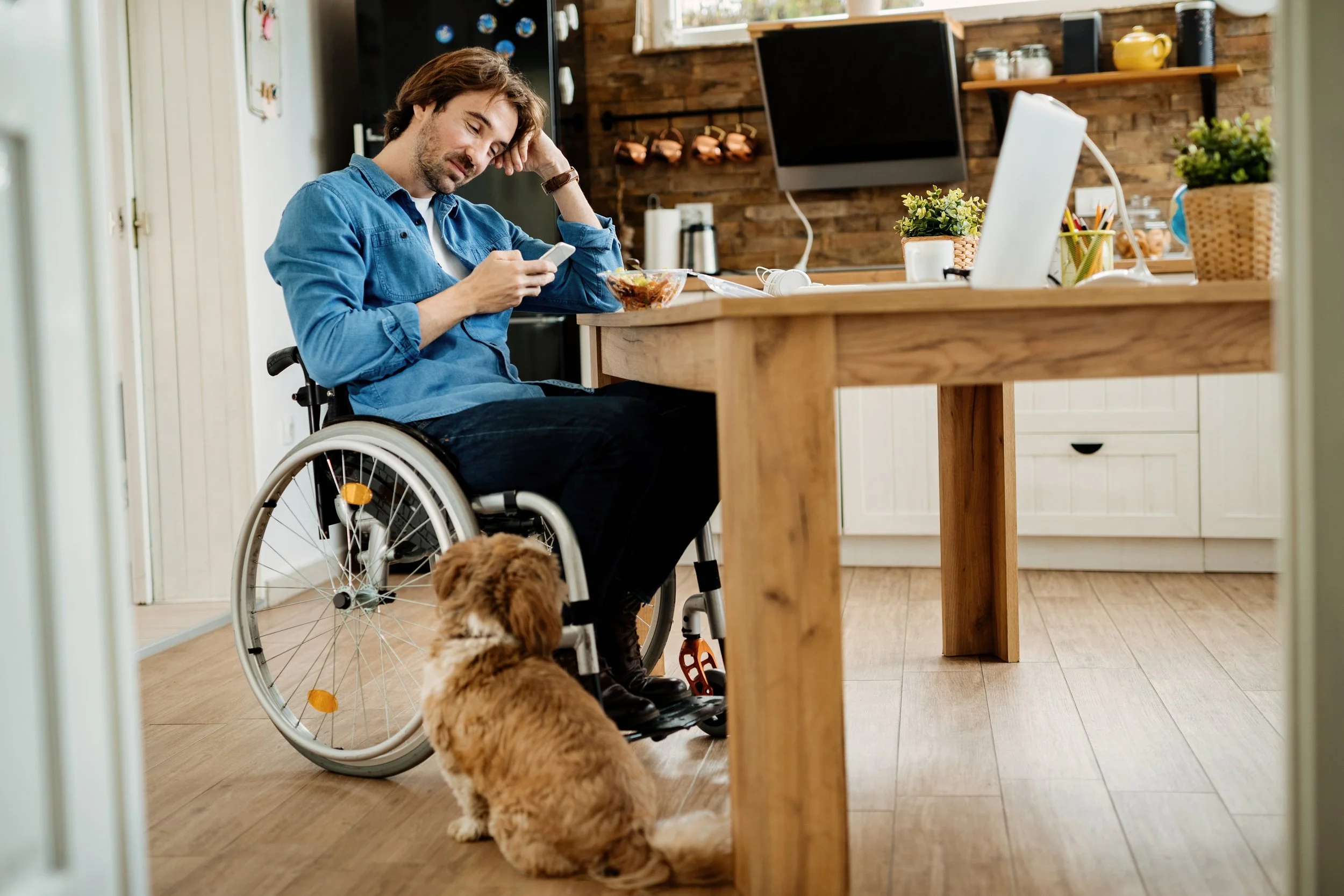
Mental Healthcare - Mental health care is essential for everyone, especially for people who have disabilities. Unfortunately, it is often not easy for disabled people to access the mental health care they need, which can lead to poor health outcomes. Barriers like lack of transportation, limited availability of disability-competent providers, social isolation, poverty, and high unemployment all create major challenges for people with disabilities to access services.
Above all, people with disabilities must be kept in mind when it comes to public policy. Being left out or treated like an afterthought leads to further marginalization. We cannot afford to be kept out of the room where decisions that impact our lives are made. More than 1 in 4 Americans have some kind of disability. We are a sizable voting bloc, but more importantly, we are your family, your friends, your neighbors, and your community members. We demand, and deserve, to live full, connected, and independent lives as part of the wider community.
Communicating with your elected officials is a crucial part of advocacy. MISILC makes it easy to do so with tailored forms that allow you to voice your opinions regarding housing, transportation, or mental healthcare access. You can add any other subject or issue to your message as well. Remember, no matter who is in office, your voice matters and deserves to be heard.