


There are so many aspects of health care that you cannot control: cost, insurance denials, prescription drug prices, whether there’s an accessible parking spot available at the medical center, whether your favorite phlebotomist will be working the day you need your blood drawn.
One way you can command a measure of control is through knowledge. In this case, knowledge doesn’t mean walking into your appointment having become an expert on a particular condition or the kind of care you need. After all, you shouldn't need a medical degree to understand the health care you’re receiving. In this case, knowledge means coming prepared with questions, being ready to listen, and, if you don’t understand, continuing to ask questions until you do. When it comes to health and medicine, knowledge truly is power.

October is Health Literacy Month. A straight-forward definition of the term comes from Wikipedia: “Health literacy is the ability to obtain, read, understand, and use healthcare information in order to make appropriate health decisions and follow instructions for treatment.” When it comes to medical treatment, misunderstandings can have serious consequences. Understanding between both the provider and patient is key. Not understanding each other can lead to misdiagnosis, needless testing, a treatment plan that you are not able to stick to, and other poor outcomes.
Health literacy is especially important for people with disabilities because health disparities are very real.
The American Public Health Association explains, “Adults with disabilities are more likely to have health problems like heart disease and diabetes than adults without disabilities. They also have more barriers to health care: they are less likely to have a usual health care provider, more likely to have unmet health care needs due to cost and are less likely to get yearly check-ups.”
There are a number of different factors keeping people with disabilities from accessing the care they need. One of those factors is fear of misunderstanding and being misunderstood.

Whether you’re seeing your primary care doctor, at the emergency room, or seeing a specialist, you deserve to have all information explained to you clearly and so that you understand it. If you have a disability that impacts how you receive information, your health care provider must accommodate your communication needs. It’s the law.
According to the ADA National Network, “Health care providers must ensure that communication with patients with hearing, vision, and speech disabilities are as effective as communication with other patients. The aid or service provided depends on the method of communication used by the patient, how long and how complex it will be, and the setting where the communication will take place.”
In other words, if you need an ASL interpreter, large print materials, or a TTY-based relay service, that should be provided to you.
Of course, “should” doesn’t mean “will.” Not all patients receive the accommodations they need, which diminishes health literacy. For example, research by the University of Michigan found Deaf patients less likely to fully understand health information. The researchers attributed this to “limited access to health materials in ASL, fewer opportunities to learn health information informally, and frequent communication gaps in health care settings.” We need to do better.
When talking about health literacy, we also need to address provider bias.
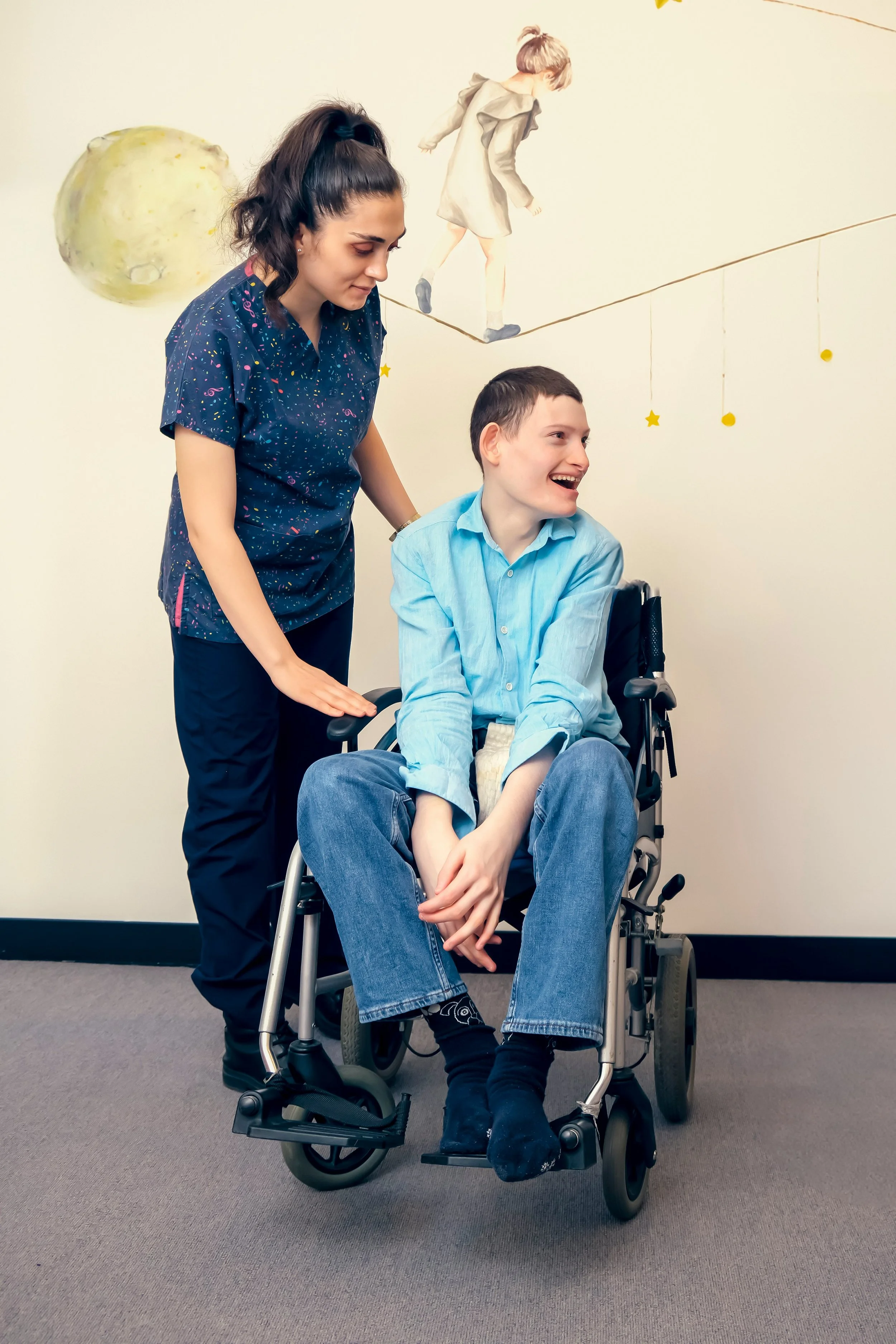
“Many healthcare providers have limited knowledge of the unique healthcare needs and challenges faced by people with disabilities,” Sarah Elliott writes in a brief for Health Law and Policy. A lack of provider training can “lead to miscommunication, inadequate treatment, and a lack of understanding about the disabilities themselves.”
This lack of understanding puts patients with disabilities at risk. “This can result in healthcare providers making assumptions about patients’ quality of life or failing to take complaints seriously, impacting the overall quality of care,” writes Elliott.
Training for doctors and other providers in caring for patients with disabilities exists, but it is not mandated by law. We urge everyone who works in healthcare to recognize that a bias is not a failing, it is an opportunity for education and connection.
“Addressing these biases is crucial to ensure that providers offer compassionate, informed care that respects everyone’s needs,” writes Elliott.
Remember, knowledge is power. The more knowledge providers have about patients with disabilities, the better the care they provide will be.
You can find Health Care Independent Living Resources at misilc.org. You can also contact your local Center for Independent Living for help.