September is Healthy Aging Month. While there are plenty of differences that separate one person from another, there is one thing we all have in common: the longer we live, the older we get.
That might sound so obvious as to seem silly. But getting older is no joke. As you grow older, just about everything changes: your body, your physical stamina, your cognitive abilities. For many of us, life will increasingly become a bit more limited as we age, necessitating more reliance on others.
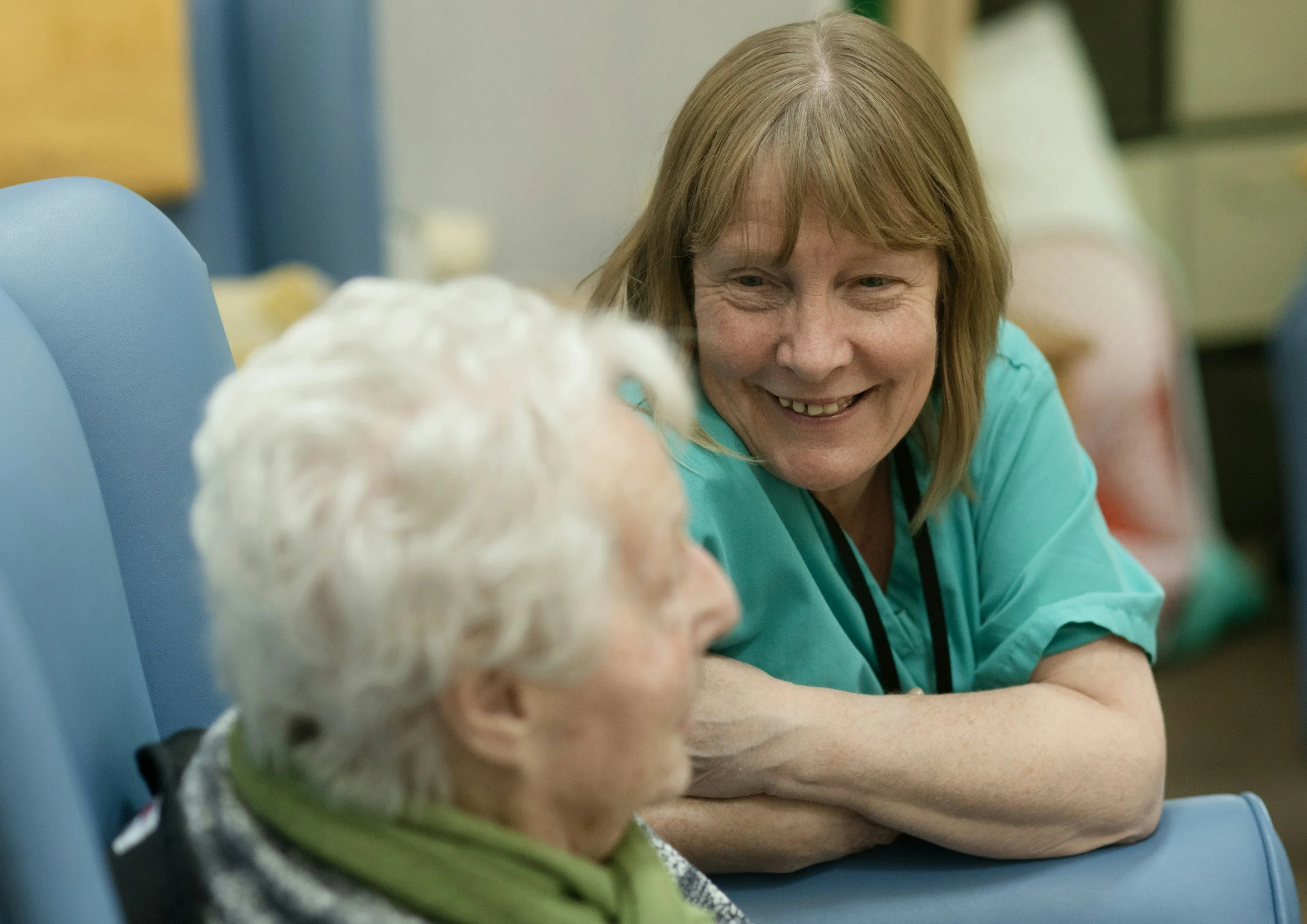
The aging population and the disability community are intrinsically linked. There is a lot of overlap when it comes to the accessibility needs of seniors and people with disabilities. Both groups benefit from caregiving. Both benefit from things like mobility aids, ramps, curb cuts, and grab bars. Both benefit from accessible transportation, affordable and accessible housing, and programs that promote community living.
However, aging people don’t generally identify as people with disabilities.
According to a 2021 paper published in the journal Innovation in Aging, “[W]hen older adults develop mobility limitations, experience falls, become hard of hearing, or experience other such impairments of age related disability, they do not think of themselves as aging into disability, or being disabled.”
The reason, the article posits, is the stigma around disability.
Ideally, identifying as having a disability would not be stigmatizing. Unfortunately, though disability advocates have been battling stigma for many years, the stigma persists. Too often, disability is considered a negative and framed as something a person lacks. A person with a disability might be viewed as someone who is diminished or less than or someone to be pitied.
But disability is not some kind of personal failure. It is a universal condition. As a society we don’t like to talk about it, but the fact is, people generally age into disability. The types of disabilities and the level of accommodations needed won’t be the same for everyone, but the fact is bodies are ever-changing and they decline as we get older. If we ever want to be able to age with dignity and remain an active part of our communities, we need to recognize this fact and plan accordingly.
This is why the fight for disability rights is everyone’s fight. Every single one of us benefits from policies that seek to make society more inclusive and welcoming.
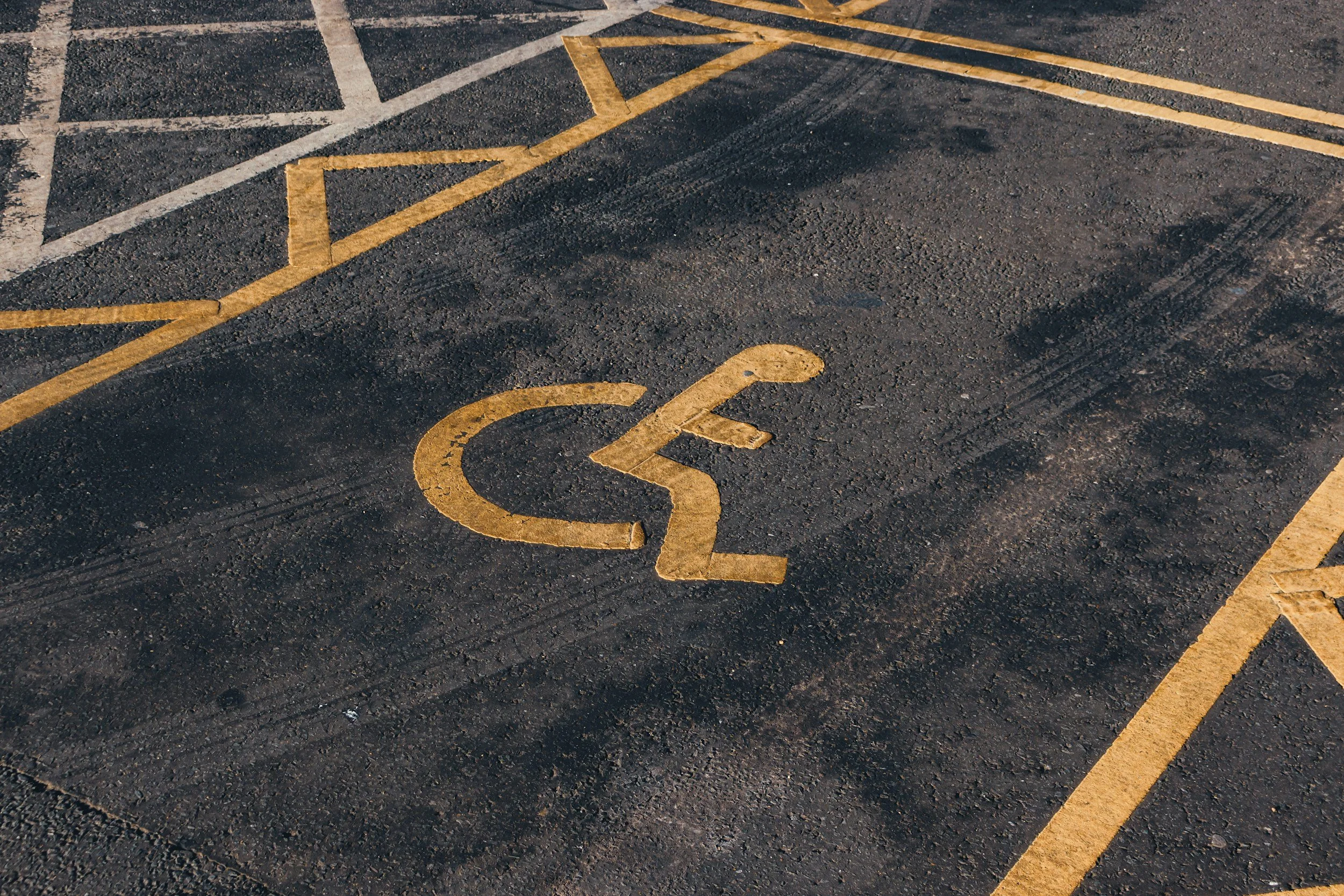
The Americans with Disabilities Act was signed into law in 1990. This means there are plenty of adults living today who remember a time before curb cuts, barrier-free building entrances, and clearly designated accessible parking spots. They remember when a person with a disability could be turned away when seeking employment, were excluded from educational opportunities, and were institutionalized en masse.
No doubt many of these adults are benefitting from some of these very provisions as they age. The disconnect, Aging Into Disability argues, “stands in the way of seeking accommodations” and “can harm older adults and their caregivers.”
Seniors are also a very influential voting block. If seniors and the disability community worked together, they could have far greater influence on public policies that would benefit them both.
Caregiving is a great example. There are more people who need care than there are people who are able to give it. Not people who are willing. People who are able. Family members often want to care for loved ones but can’t due to employment demands. Imagine the burden that would be lifted off of families if the United States had a paid family leave program so that people did not have to choose between taking care of a loved one and their jobs.
Without the stigma placed upon disability, we would all be better served because everyone would see accessibility as personally relevant to them. It would help all of us to understand that we may need legally required accommodations, such as those mandated by the ADA, at some point in our lives. And even if we don’t, someone else will.
Disability rights are human rights. And disability rights protect us all.